By Aaron Devitt, Co-Founder
Retail organisations have spent years investing in analytics platforms to understand performance across their store networks. Sales dashboards, reporting tools, and retailer-provided metrics have helped brands track outcomes such as revenue, stock movement, and campaign performance. The scale of this investment is significant. The global retail analytics market alone was valued at around $8.9 billion in 2024 and is projected to exceed $43 billion by 2034, reflecting the industry’s growing reliance on data-driven decision-making.
But most traditional retail analytics still answers only one question: what happened?
For commercial teams responsible for launches, retail activation, and partner performance, that information often arrives too late to influence results. Decisions still rely on incomplete insight into what is happening inside stores.
This is where a new generation of retail intelligence platforms is beginning to reshape how companies operate.
Tribe Connect was built to go beyond traditional retail analytics by capturing real-time signals from retail environments and turning them into predictive commercial insight.
The limits of traditional retail analytics
Traditional retail analytics platforms are typically built around historical performance data. They analyse metrics such as sales volume, stock levels, and store performance over time.
While this information is valuable, it often has several limitations.
First, it focuses on outcomes rather than behaviour. Sales figures show what has already happened, but they do not reveal how customers interacted with products or what influenced their decisions in store.
Second, traditional analytics often relies on delayed reporting. Data may arrive from retailers days or weeks after activity occurs, reducing the ability to respond quickly.
Third, measurement frameworks can vary between retailers and partners. This makes it difficult to compare performance consistently across markets or retail environments.
As a result, many commercial teams still struggle to answer important operational questions such as:
- Which stores are generating the strongest product engagement?
- Where is retail execution weakening before it affects sales?
- Which retail partners are delivering the most effective in-store experience?
- Where should marketing investment be concentrated to improve performance?
Traditional retail analytics provides visibility into outcomes, but it rarely explains the underlying drivers of retail performance.
Why retail intelligence is replacing traditional analytics
Retail intelligence expands the scope of analytics by focusing on behavioural signals inside the store environment.
Instead of relying only on sales data, retail intelligence platforms capture signals such as customer interaction with demo devices, engagement patterns around fixtures, and changes in store-level performance indicators.
This shift allows organisations to understand what is happening in store before sales outcomes appear in reports.
Retail intelligence platforms also apply predictive modelling to identify emerging patterns and forecast performance trends. This means commercial teams can anticipate opportunities and risks rather than reacting to them after the fact.
The result is a more proactive approach to retail management.
How Tribe Connect approaches retail intelligence differently
Tribe Connect was designed specifically to address the visibility gap that exists in physical retail environments.
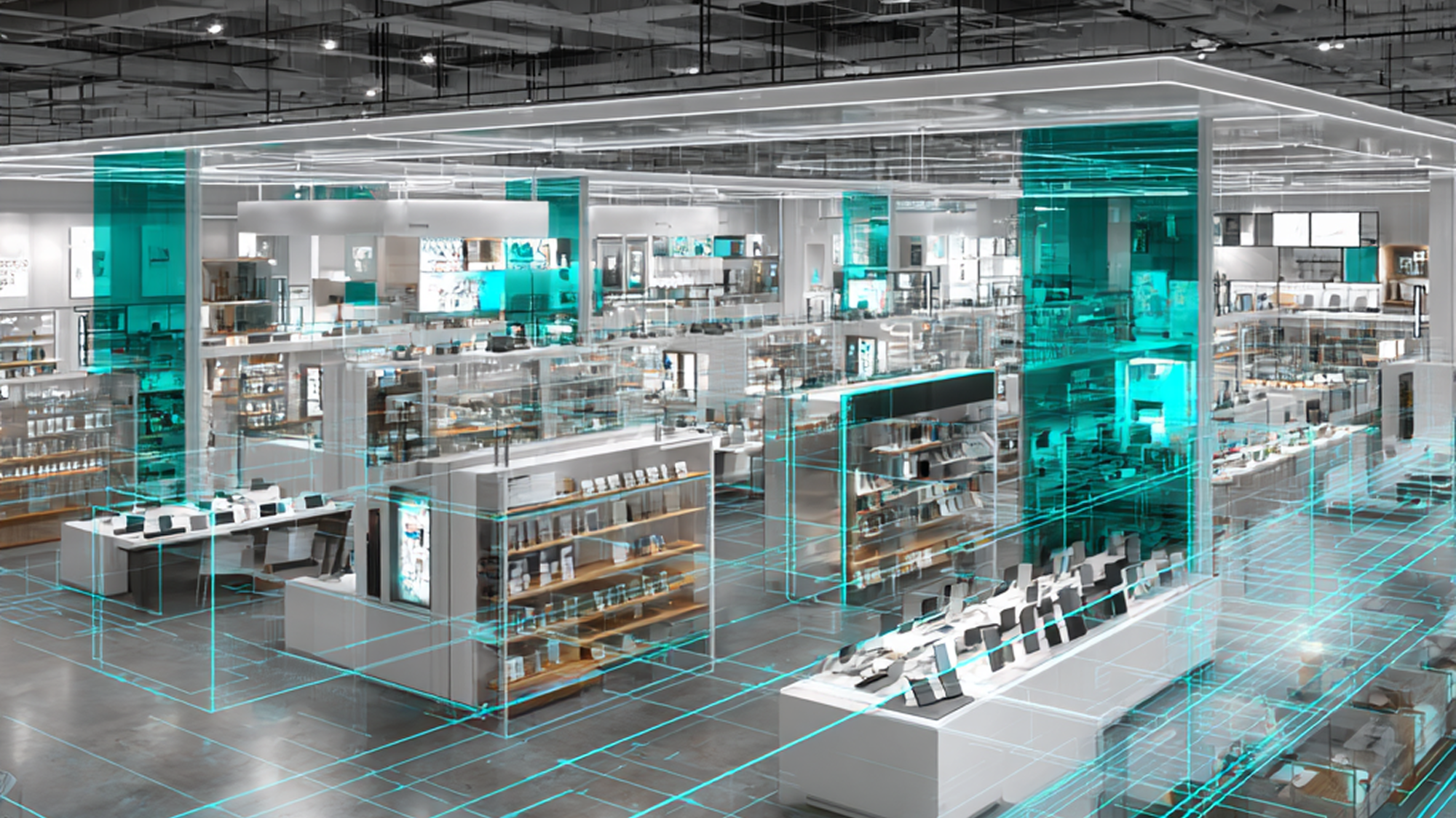
The platform captures signals directly from retail devices and store environments, providing immediate insight into customer engagement across the network.
Once signals are captured, Tribe Connect processes and standardises them within a unified measurement framework. This allows organisations to compare performance across retailers, markets, and store formats using consistent metrics.
The platform then applies predictive modelling through its Inference Engine. By analysing engagement patterns and behavioural trends, the system forecasts how store performance is likely to evolve and highlights where commercial action will have the greatest impact.
Finally, the platform translates these insights into practical guidance for commercial teams. Instead of presenting raw data alone, Tribe Connect surfaces priorities such as high-potential stores, declining engagement areas, and locations where additional investment could generate measurable improvement.
This transforms retail analytics from a reporting function into a decision-making system.
Real-time retail visibility instead of delayed reporting
One of the biggest differences between Tribe Connect and traditional retail analytics is the speed at which insight becomes available.
Traditional analytics platforms typically analyse data after it has been reported by retailers. In many cases this means commercial teams are looking at information that reflects activity from days or weeks earlier.
Tribe Connect captures engagement signals in real time. Commercial teams can see how stores are performing as interactions happen rather than waiting for retrospective reports.
This real-time visibility allows organisations to respond quickly when performance shifts occur across their retail network.
Behavioural signals rather than just sales outcomes
Traditional analytics focuses heavily on sales metrics. While revenue data is important, it only reveals the final result of customer behaviour.
Tribe Connect focuses on the behaviours that lead to those results.
By analysing engagement with demo devices and in-store interactions, the platform reveals which products attract attention, which store environments generate stronger engagement, and where customer interest may be declining.
These behavioural signals often appear before changes in sales figures, allowing companies to act earlier.
Predictive retail insight instead of historical reporting
Another key difference lies in how insight is generated.
Most retail analytics platforms summarise historical data. They help organisations understand past performance but provide limited guidance about what will happen next.
Tribe Connect introduces predictive modelling into retail analytics.
Through its Inference Engine, the platform analyses behavioural patterns and engagement trends to forecast future performance across stores and markets. This allows commercial teams to identify both emerging risks and growth opportunities.
Predictive insight turns analytics into a forward-looking planning tool rather than a retrospective reporting system.
A unified measurement framework across retail partners
Retail ecosystems are complex. Brands often work with multiple retailers, operators, and channel partners, each with their own reporting methods and performance metrics.
Traditional analytics systems frequently struggle to reconcile these differences, making comparisons difficult.
Tribe Connect applies a consistent measurement framework across the entire retail network. Signals from different partners are standardised so performance can be evaluated using comparable metrics.
This creates a shared source of truth that supports clearer commercial discussions between stakeholders.
From analytics to commercial action
The ultimate difference between traditional retail analytics and platforms like Tribe Connect is the role analytics plays in decision-making.
Traditional systems typically focus on reporting performance.
Retail intelligence platforms focus on improving it.
By combining real-time signals, behavioural insight, and predictive modelling, Tribe Connect provides commercial teams with clear guidance on where to focus attention.
Teams can identify stores with the highest potential, intervene early when engagement declines, and allocate investment more effectively across their retail estate.
The future of retail analytics
Retail analytics is evolving rapidly as organisations look for better ways to understand and influence in-store performance.
Sales dashboards and historical reporting will remain useful, but they are no longer sufficient on their own.
Retail leaders increasingly require visibility into what is happening in store right now, as well as insight into what will happen next.
Retail intelligence platforms like Tribe Connect represent the next stage of this evolution. By transforming real-time signals into predictive commercial insight, they help organisations move beyond traditional analytics and operate with greater speed, clarity, and confidence across their retail networks.