By Aaron Devitt, Co-Founder
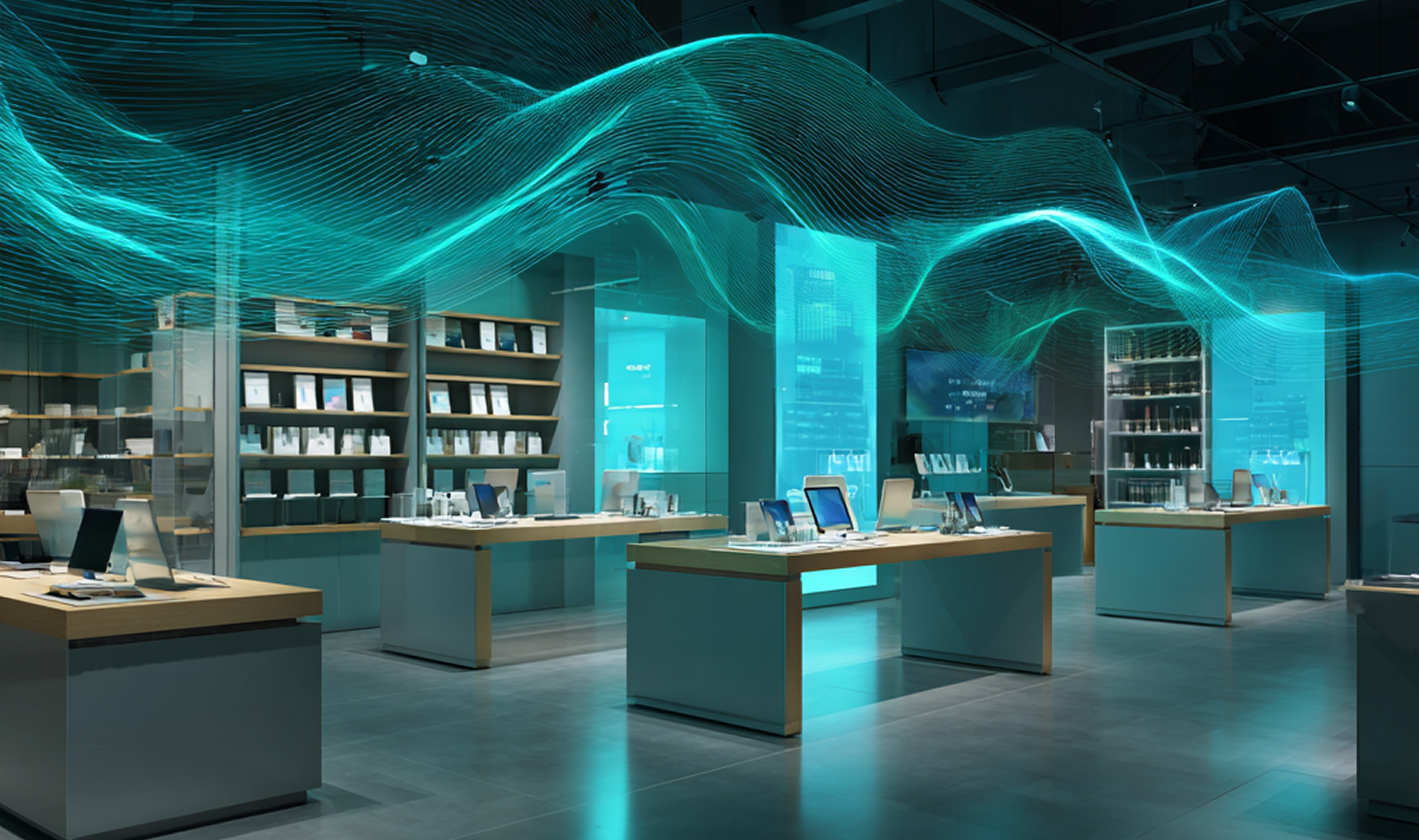
Retail generates an enormous amount of data every day. Customers interact with products, explore displays, test demo devices, and move through stores in ways that reveal what captures attention and what drives purchase decisions.
Yet for many organisations, this information remains largely invisible.
Retail teams often rely on delayed reporting, manual audits, or fragmented retailer data to understand performance. By the time insights appear, the moment to influence outcomes may already have passed.
Retail intelligence changes that dynamic. By capturing and analysing in-store signals in real time, companies can understand what is happening across their retail networks and make faster, more confident commercial decisions.
Platforms like Tribe Connect turn everyday store interactions into predictive retail intelligence, helping brands allocate investment, improve launch performance, and strengthen retail execution across thousands of locations.
What is retail intelligence?
Retail intelligence refers to the process of collecting, analysing, and interpreting in-store data to guide commercial decision-making.
This data can include:
- Customer engagement with products or demo devices
- Store-level execution and display visibility
- Behaviour patterns across retail locations
- Differences in engagement between retailers or markets
When these signals are analysed consistently, they reveal patterns that help companies understand what drives retail performance.
Modern retail intelligence platforms go further by applying predictive modelling. Instead of simply reporting what happened last week or last quarter, they forecast how performance is likely to evolve and highlight where action will deliver the strongest commercial impact.
Why traditional retail data is not enough
Many organisations already collect retail data, but it often arrives too late to influence outcomes.
Manual store audits, periodic reporting from retailers, and spreadsheet-based tracking can create a fragmented view of the retail estate. Different partners may measure performance differently, making comparisons difficult and slowing down decision-making.
As a result, brands face several common challenges:
- Limited visibility into what is happening across store networks
- Difficulty identifying high-performing locations
- Slow detection of declining retail execution
- Marketing investment spread across stores with very different performance levels
Without consistent retail performance insight, commercial teams are forced to make decisions based on historical trends or incomplete information.
Retail intelligence platforms solve this problem by providing real-time visibility into store performance across the entire network.
How Tribe Connect turns retail signals into decisions
Tribe Connect acts as the intelligence layer across retail ecosystems. The platform captures engagement signals directly from retail environments and converts them into actionable commercial insight.
The process moves through four stages.
First, signals are captured from demo devices and in-store interactions. This provides immediate visibility into customer engagement across retail locations.
Next, the platform processes and standardises this data. Signals from different stores, retailers, and markets are analysed within a unified framework so performance can be compared consistently.
The third stage applies predictive modelling through the Tribe Connect Inference Engine. By analysing engagement patterns and behavioural trends, the system forecasts how store performance is likely to evolve. This helps identify both emerging opportunities and early signs of decline.
Finally, the platform surfaces clear recommendations that guide commercial action. Teams can see which stores require attention, where activation budgets should be concentrated, and which retail partners are delivering the strongest execution.
This approach transforms fragmented store data into a unified retail intelligence system that supports faster, evidence-based decision-making.
Using retail intelligence to improve launch performance
Product launches are one of the most critical periods in the retail cycle. Visibility, engagement, and store readiness during the early launch window can significantly influence commercial outcomes.
Retail intelligence allows brands to monitor launch performance in real time across their retail partners.
If engagement drops in certain locations or execution issues appear, commercial teams can intervene quickly by redirecting field support or adjusting activation strategy.
Instead of discovering problems weeks later, organisations can protect launch momentum while it still matters.
Allocating retail investment more effectively
Retail networks rarely perform evenly. Some locations generate stronger engagement and conversion potential than others.
Retail intelligence platforms help companies identify the stores with the greatest commercial opportunity. When organisations understand where engagement is strongest, they can concentrate investment where it will deliver the greatest return.
This improves the efficiency of:
- marketing activation budgets
- field team deployment
- in-store promotional activity
Targeted investment leads to stronger overall performance across the retail estate.
Creating shared visibility across retail partners
Retail ecosystems often involve multiple stakeholders including OEMs, retailers, and operators. Performance discussions between these partners can become difficult when each party works with different data sources or measurement frameworks.
Retail intelligence introduces a shared, consistent set of metrics across the entire network.
When every stakeholder has access to the same performance insight, conversations become more constructive. Teams can focus on improving execution rather than debating which data is correct.
This shared visibility strengthens collaboration and improves accountability across retail partnerships.
Detecting performance risk earlier
One of the most valuable aspects of predictive retail intelligence is the ability to detect problems before they affect revenue.
Changes in engagement patterns can reveal early signs of issues such as poor store execution, device downtime, or declining customer interest.
When these signals are identified early, teams can intervene before the problem spreads across multiple stores or markets.
This proactive approach helps protect retail performance and reduces the risk of lost sales.
Why predictive retail intelligence is becoming essential
Retail networks are becoming increasingly complex. Global brands operate across thousands of stores, multiple retail partners, and rapidly evolving product cycles.
In this environment, historical reporting alone cannot support effective decision-making.
Companies increasingly require real-time retail analytics and predictive insight to understand where performance is improving, where risk is emerging, and where future investment should be directed.
Predictive retail intelligence provides the visibility and foresight needed to operate effectively at this scale.
From retail data to commercial strategy
The organisations that succeed in modern retail will be those that can translate store-level signals into clear commercial strategy.
Retail intelligence platforms enable companies to see how their retail ecosystem is performing, anticipate changes in engagement, and act quickly to protect investment.
Tribe Connect enables this shift by converting everyday retail signals into predictive insight and actionable recommendations. Instead of reacting to delayed reports, commercial teams can operate with real-time visibility and forward-looking intelligence.
In an increasingly competitive retail landscape, the ability to turn store signals into smarter commercial decisions is becoming a critical advantage.